Leg aesthetics is a specialized field of clinical medicine that integrates vascular surgery, dermatology, and reconstructive plastic surgery to improve the form, symmetry, and skin quality of the lower extremities. While often categorized under elective procedures, leg aesthetics frequently involves addressing underlying physiological issues, such as venous insufficiency or structural irregularities, that affect both the appearance and the mechanical function of the limbs. Scientific management in this field focuses on three primary pillars: vascular clearance, adipose tissue redistribution, and dermal structural remodeling.
1. The Anatomical and Physiological Basis of Leg Aesthetics
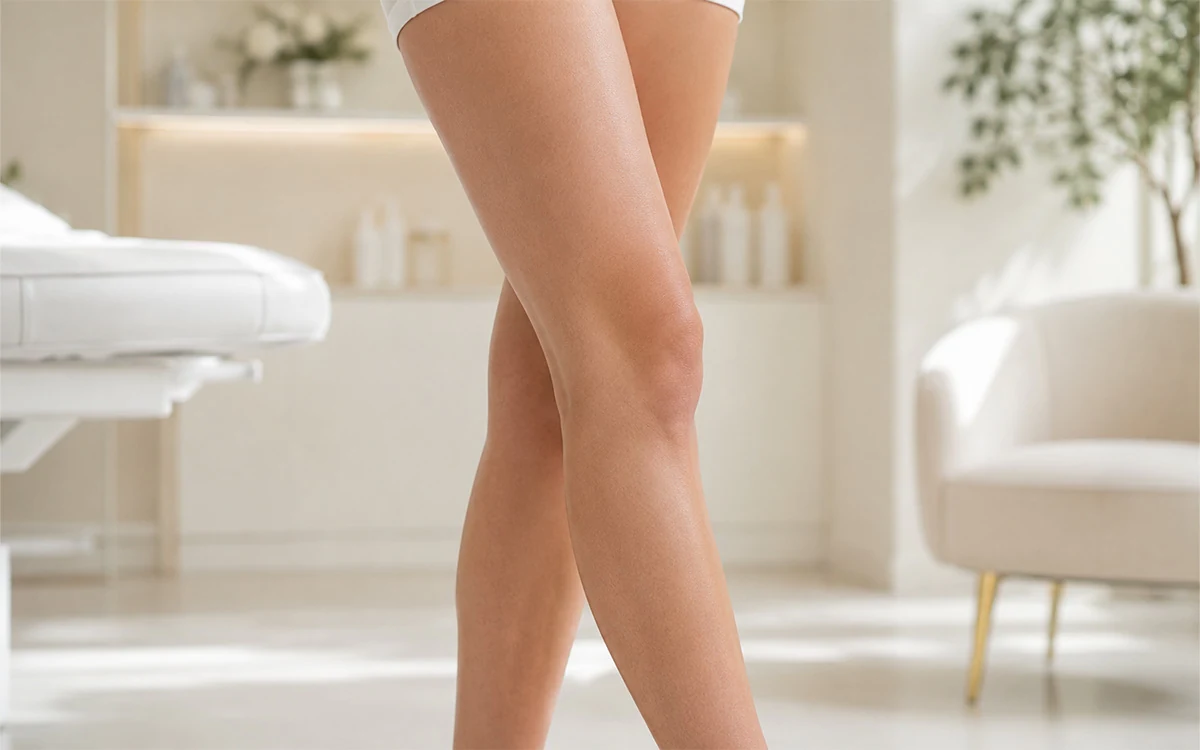
The aesthetic ideal of the leg is scientifically defined by specific ratios and the "straightness" of the skeletal axis. Clinically, this involves the transition from the convexities of the muscle groups (quadriceps and gastrocnemius) to the concavities of the joints (knees and ankles). Disruption of these contours can occur due to localized adiposity, muscular hypertrophy, skin laxity, or vascular blemishes.
Treatment is indicated for individuals experiencing:
- Gynoid Lipodystrophy (Cellulite): The structural alteration of subcutaneous fat and connective tissue.
- Localized Steatoma: Genetic fat deposits in the medial knees or "saddlebags" that are resistant to metabolic weight loss.
- Vascular Blemishes: Telangiectasia (spider veins) that obscure the skin’s natural tone.
- Muscular Disproportion: Hypertrophy of the calf muscles or, conversely, muscle wasting due to congenital issues or trauma.
The goal of treatment is to restore the "anatomical subunit" harmony of the leg while maintaining the physiological health of the lymphatic and circulatory systems.
2. Vascular Clearance: Sclerotherapy and Laser Modulation
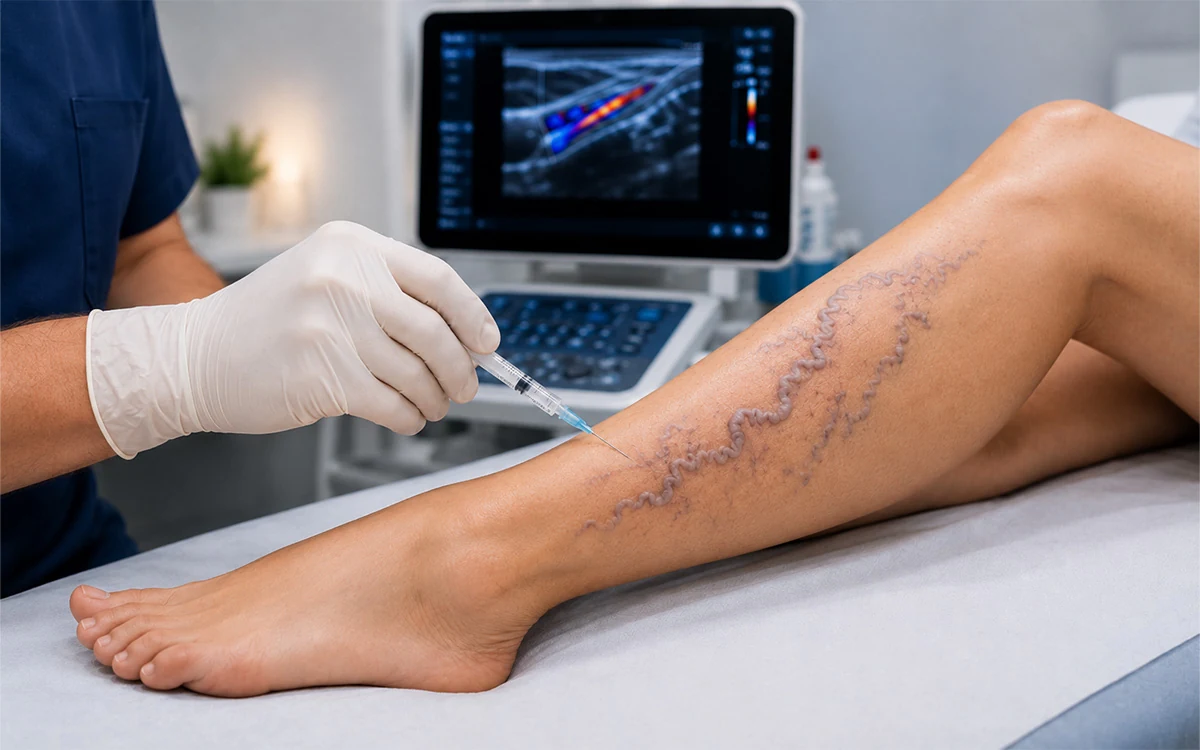
The presence of spider veins and reticular veins is often the most common aesthetic complaint. These are not merely surface marks but are frequently caused by "micro-reflux" in the dermal venous plexus.
Microsclerotherapy is the gold standard. A sclerosant (such as Polidocanol) is injected into the lumen of the micro-vessels. This induces a controlled endovenous chemical injury, causing the vessel walls to collapse and fibrose. For smaller, red capillaries, transdermal lasers (such as the 1064 nm Nd:YAG) utilize selective photothermolysis. The hemoglobin absorbs the light energy, converting it to heat, which coagulates the vessel. Over a period of 6 to 12 weeks, the body’s immune system (macrophages) clears the cellular debris, restoring a clear skin surface.
3. Subcutaneous Contouring: Liposculpture and Fat Grafting
Leg contouring is scientifically distinct from abdominal liposuction due to the unique lymphatic architecture of the lower limbs.
Lipo-Contouring (WAL/PAL)
Water-Jet Assisted (WAL) or Power-Assisted (PAL) Liposuction is used to remove localized fat deposits around the medial knees, thighs, and ankles. The scientific priority here is the preservation of the superficial lymphatic collectors. By removing excess adipose tissue, the "heavy leg" appearance is reduced, and the underlying muscle definition is revealed.
Augmentation and Fat Transfer
In cases of "bow legs" or calf asymmetry, autologous fat grafting is utilized. Fat is harvested, purified through centrifugation, and re-injected into the deficient areas. This "lipofilling" requires precise placement in the subcutaneous plane to ensure graft survival through "neovascularization"—the process where new blood vessels grow into the transplanted fat.
4. Structural Skin Remodeling: Addressing Cellulite and Laxity
Cellulite is a complex anatomical condition where fibrous bands (septae) pull the skin downward while fat lobules push upward.
Subcision
A specialized micro-blade is used to mechanically sever the fibrous septae. This releases the skin’s "tethering," allowing the surface to smooth out.
Radiofrequency (RF) and Ultrasound
These technologies deliver thermal energy to the dermis. The heat triggers "neocollagenesis"—the synthesis of new collagen and elastin fibers. This increases dermal thickness and improves the skin’s "snap-back" quality, addressing the laxity often seen after weight loss or aging.
5. Neuromodulation for Muscular Contouring
In patients with "bulky" calves due to gastrocnemius muscle hypertrophy, surgical resection is rarely indicated due to the functional risk. Instead, Botulinum Toxin Type A is used scientifically to achieve "muscle softening." By blocking the acetylcholine release at the neuromuscular junction, the toxin induces a temporary, controlled atrophy of the muscle fibers. This reduces the muscle volume without affecting the patient’s ability to walk or run.
6. The Recovery Process and Physiological Integration
The recovery from leg aesthetic procedures is a multi-phased biological process that requires strict adherence to hemodynamic principles.
Acute Phase (Days 1–7)
Immediately following contouring or vascular procedures, the body initiates an inflammatory cascade. Edema (swelling) is the primary challenge. Because the legs are the most dependent part of the body, gravity exacerbates fluid accumulation. Patients must use medical-grade compression (20–30 mmHg) to assist the venous return and keep the tissue planes compressed, which minimizes the risk of seroma (fluid pockets).
The Remodeling Phase (Weeks 2–8)
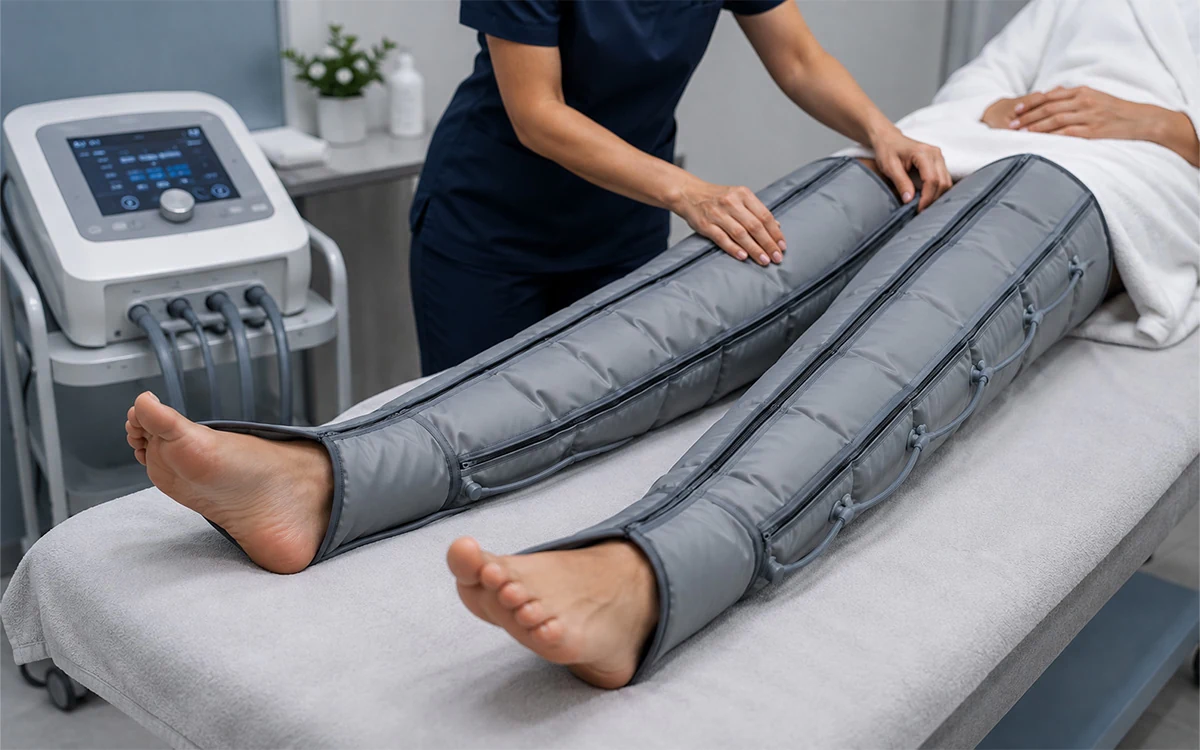
During this phase, the body is actively repairing the treated areas. In the case of liposculpture, the lymphatic system must adapt to the new tissue landscape. Manual Lymphatic Drainage (MLD) is clinically recommended to "prime" the lymphatic channels and prevent the formation of "fibrotic lumps" or unevenness. If lasers or RF were used, this is the period when the first wave of new collagen begins to mature.
Long-Term Resolution (3–6 Months)
The final aesthetic result is not visible until the "residual edema" has completely cleared. For vascular treatments, this is when the hemosiderin staining (temporary brownish marks) fades. For contouring, this is when the skin fully retracts over the new, slimmer volume.
7. Complication Prophylaxis
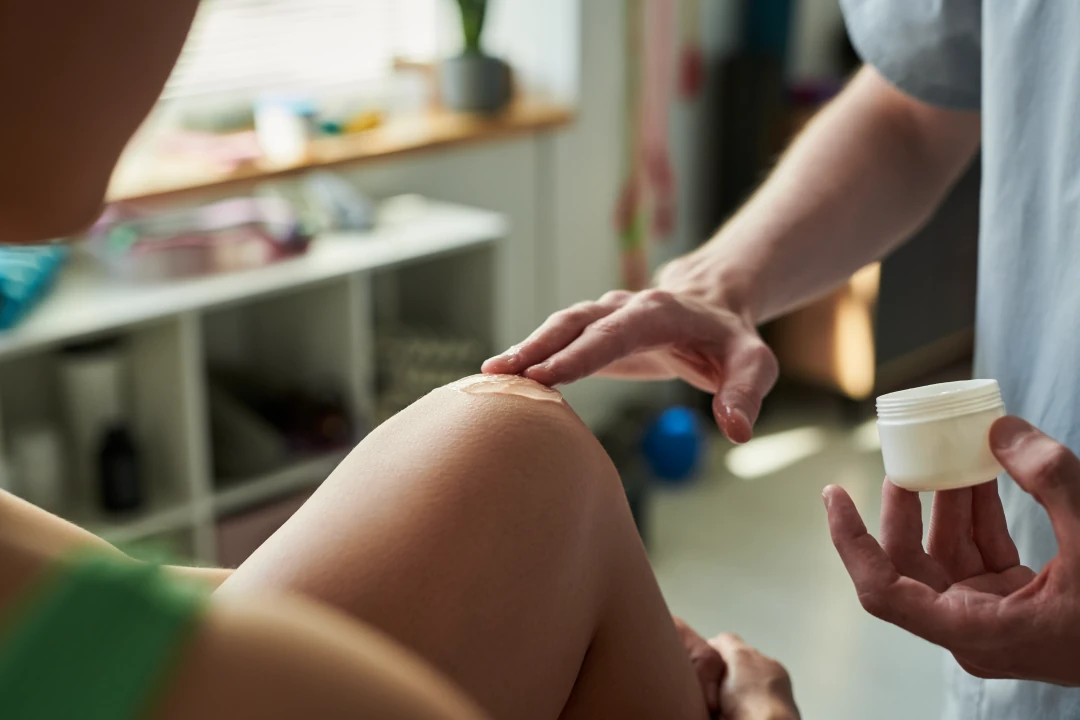
Scientific management of leg aesthetics must prioritize the prevention of Deep Vein Thrombosis (DVT). Because leg procedures can temporarily alter blood flow dynamics, "early ambulation" (walking) is mandatory immediately after the procedure. This mechanical action of the calf muscle pump ensures that blood does not stagnate in the deep veins. Additionally, skin integrity is maintained through pH-balanced hydration to support the dermal barrier during the stretching and healing phases.
The success of leg aesthetics depends on a thorough understanding of the balance between the subcutaneous fat, the muscular frame, and the vascular network. By addressing these elements through evidence-based interventional techniques, clinicians can achieve structural harmony while ensuring the long-term circulatory health of the patient.