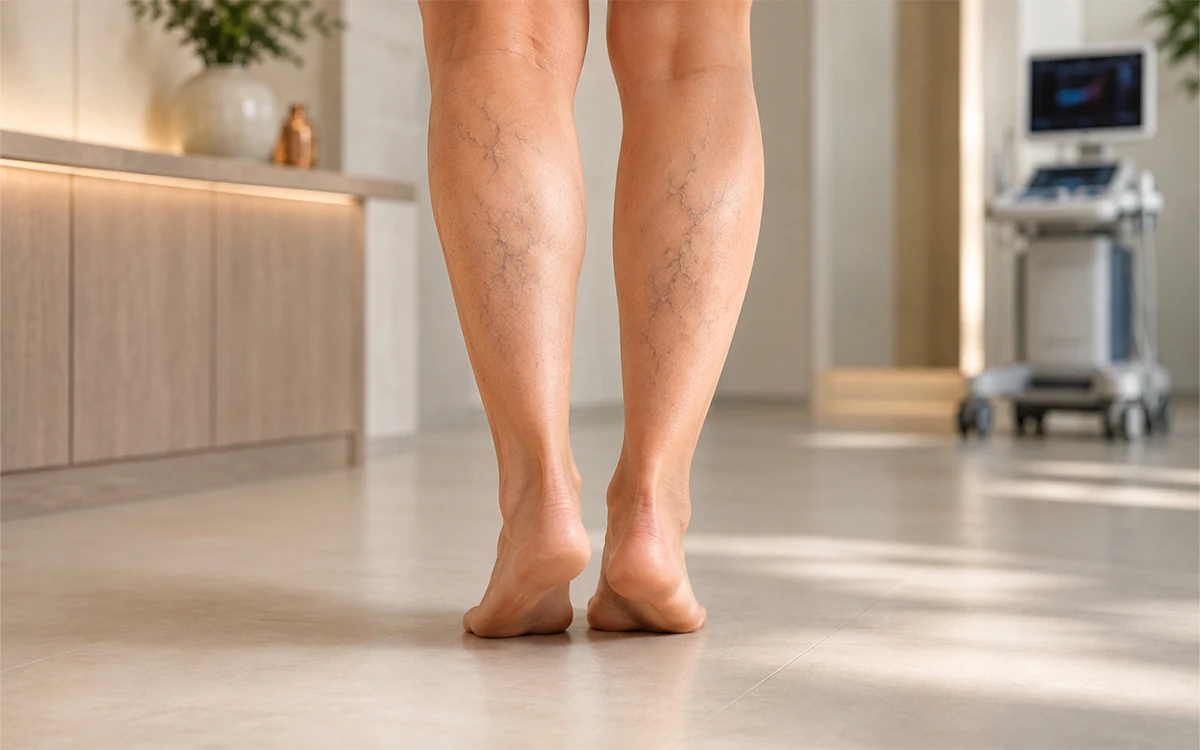
That heavy feeling in your legs at the end of the day, that constant itching, and that gnarled vein you see when you look in the mirror are not just a sign of ageing or an aesthetic flaw. In fact, these symptoms may be a sign of a health condition known in the medical world as chronic venous insufficiency (CVI), which can severely reduce the quality of life if left untreated. Millions of people around the world are struggling with this disease, but very few seek professional help.
In this article, we will discuss all the treatment options available in modern medicine, the causes of the disease and the recovery process to help you restore the health of your leg.
What’s happening in our veins?
The valves in our leg veins are supposed to allow blood to flow in only one direction, against gravity, toward the heart. But when they’re damaged or weakened, blood starts to back up and pool in the legs. This is called venous reflux. Slowly the pressure builds up. The veins in the legs get stretched, twisted, and swollen.
Signs and Symptoms and Diagnosis: When to be worried?
Venous diseases may initially seem like a cosmetic problem but are actually an indication of a chronic process happening deep in your legs. It is important to know the severity of symptoms and ways of diagnosis to prevent the development of the disease and serious complications.
Symptoms: What is your body telling you?
Symptoms of venous insufficiency and varicose veins vary from person to person and may develop without any visible symptoms. Don’t write off itching, tiredness and mild swelling in the legs as “old age” or "fatigue". An early diagnosis will save not only the beauty of your legs but also your quality of life.
The usual presenting complaints are:
- • Heaviness and Fatigue in the Legs: The most common symptom is a feeling of heaviness and fatigue in the legs at the end of the day, particularly after prolonged standing or sitting. This problem generally disappears when the legs are raised up.
- • Burning, Tingling and Pain: Local pain, burning or tingling may be present in the area of varicose veins.
- • Night Cramps, Restless Legs: Waking in the middle of the night with calf cramps and the urge to constantly move your legs (similar symptoms to restless leg syndrome) could also be indications of venous diseases.
- • Swelling (oedema): Swelling, particularly around the ankles, leaving marks from socks, is a sign that the pressure within the veins is beginning to leak into the tissues.
Classification of CEAP and Visual Symptoms
In medicine, venous diseases are classified according to the international system called CEAP. This classification gives an idea how severe the symptoms are:
- • C1 (Capillary Vessels): “Spider” (web-like) veins, smaller than 1 mm or reticular veins, 1-3 mm are visible.
- • C2 Varicose veins: Twisted, swollen and enlarged veins (>3 mm) beneath the skin.
- • C3 (Oedema): Permanent oedema with visible veins at the ankle.
- • C4 (Skin Changes): This is a very important stage suggesting that the disease is progressing. Brown discolouration (pigmentation) of skin, eczema or a condition called lipodermatosclerosis (hardening of the tissue under the skin).
- • C5 and C6 (Venous Ulcers) There are wounds that are healed (C5) or active (C6). These injuries are usually inside the ankle.
When to be concerned?
If you have any of the following symptoms, the condition has moved from an aesthetic issue to a medical emergency or an advanced stage of disease:
- • Skin Colour Change and Hardening – Darkening, shining or hardening of the skin around the ankle (lipodermatosclerosis) indicates tissue damage has begun.
- • Non-healing wounds: A key symptom of a venous ulcer is a small scratch on the leg that won’t heal for weeks.
- • Sudden Painful Swelling and Redness: Tenderness, hardness and increased warmth along the vein may indicate superficial or deep vein thrombophlebitis (clotting).
- • Bleeding Varicose Veins: An enlarged vein that ruptures and bleeds is a condition that needs emergency intervention.
- • Corona Phlebectatica. An early sign of advanced venous disease is a fan-shaped cluster of capillaries on the inner side of the ankle.
How to Make the Right Diagnosis: The Diagnostic Process.
In the proper management of the disease, a detailed assessment by a specialist cardiovaskular surgeon is essential.
- • Physical Examination: Your doctor will examine your legs in a standing position to see the distribution of veins, the presence of any oedema and the quality of the skin.
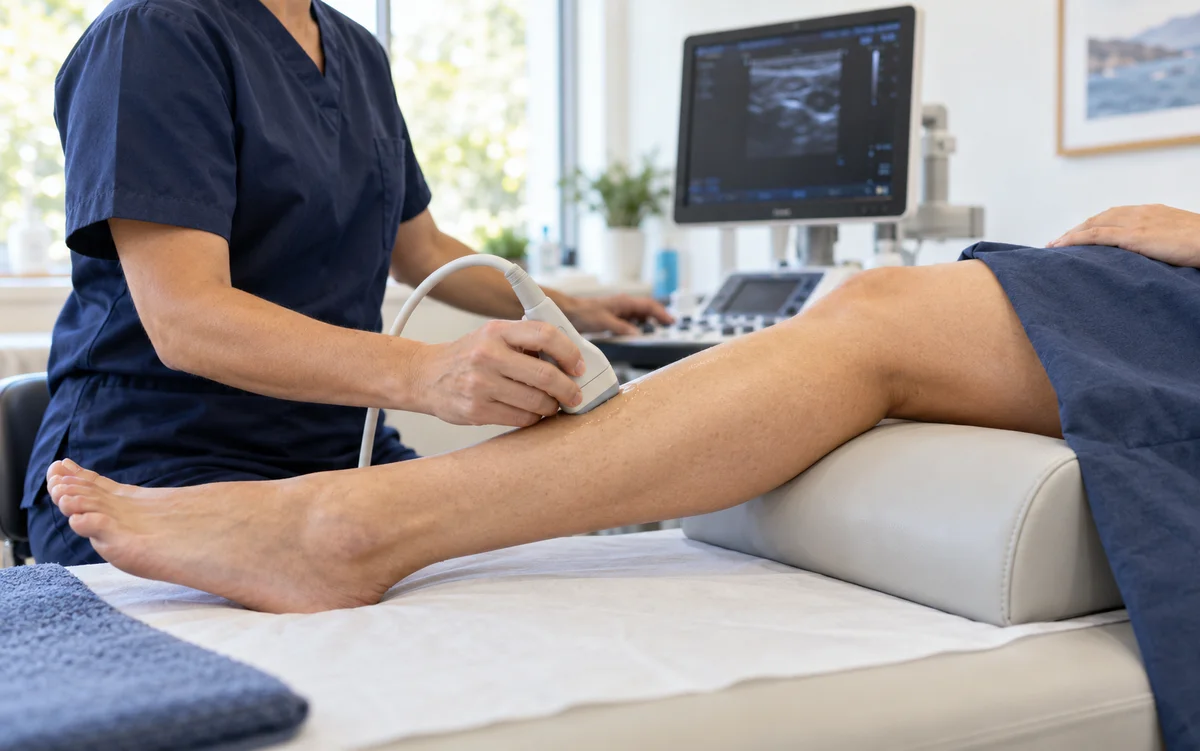
- • Venous Doppler Ultrasound This is the most important part of the diagnosis. The test is pain-free, radiation-free and measures vascular structure, the function of the valves and the duration of blood reflux in millimetres.
- • Advanced Imaging: In rare cases or for complex surgical planning, modalities like CT (computed tomography) or MR venography may be used.
Are You at Risk?
Varicose veins and venous diseases do not occur by chance: our daily habits and biological inheritance play a key role in the formation of risk. If you fall into one or more of the categories below, you may need to take a little more care of your leg health.
Genetic and Demographic Factors
One of the most important risk factors for venous insufficiency is a genetic predisposition. There is a hereditary predisposition to weakness of the walls of the veins in the group of persons with a family history of varicose veins.
- Age Factor: As age advances, the walls of the vessels lose their elasticity, and the valves wear out. The risk is especially high after the age of 40, with the peak age being 40-49 years for women and 70-79 years for men.
- Gender: Women are affected much more often than men; the effects of hormonal changes on the relaxation of the wall of the vessel are responsible for this.
Hormonal Changes and Pregnancy
Additional burden on the venous system is caused by the life phases of women.
- Pregnancy. The increase in blood volume during pregnancy and the pressure of the baby on the intra-abdominal veins cause blood to pool in the legs.
- Multiple Pregnancies: Though the veins usually return to normal after pregnancy, the risk of permanent vein damage and varicose veins increases exponentially in women who have had three or more pregnancies.
- Medication Use: Pills for birth control or hormone replacement therapies can change the tone of your vessels, causing insufficiency.
Lifestyle
Our legs are directly related to our vascular health.
If you have a job where you stand all day or sit all day, it stops the “calf muscle pump” (that pulls blood upward) from working.
- Obesity: Excess weight adds stress to the veins in the legs. This makes it harder for the valves to shut and keeps blood from flowing against the force of gravity.
- Sedentary Lifestyle: The lack of regular physical activity weakens the muscular tissue that supports vascular health.
- Heavy Lifting and Nutrition: Frequent heavy lifting or chronic constipation result in increased intra-abdominal pressure, which are hidden risk factors that hinder venous return.
History of Present Illness and Habits
The work of veins in the future depends on the health problems of the past.
- • History of Previous Blood Clots (DVT): A deep vein thrombosis can cause permanent damage to the valves in your veins. This may lead to a serious complication known as “post-thrombotic syndrome”.
- • Leg Injuries and Surgeries: Trauma to the legs or surgical procedures can compromise the integrity of the veins.
- • Smoking: One of the main causes of risk for venous disease is smoking, because it changes the blood circulation and decreases the oxygenation of the walls of the vessels.
- • Hypertension – Elevated systemic blood pressure over time can increase the volume load on the venous system.
If you have several of these risk factors, and you have pain, swelling or bulging veins in your legs, it is recommended to have your condition checked by Prof. Dr Cenk Eray Yıldız, a cardiovascular surgery specialist in Istanbul.
Treatment Options:
There are several treatment options available for varicose veins and venous insufficiency, depending on the stage of the disease, the symptoms of the patient, and the patient’s preferences. Current treatment aims at improving the quality of life of the patient, reducing symptoms and preventing serious complications like ulcers.
Non-Surgical Treatments
These techniques do not completely remove varicose veins, but they slow down their progression and control the symptoms and can be considered at any stage of the disease.
- • Lifestyle changes: Weight loss, regular physical activity (to activate the calf muscle pump) and avoiding long periods of standing or sitting still are fundamental.
- • Elevation of the Legs: Elevate the legs above the level of the heart for at least 30 minutes 3 times a day to counteract the effects of gravity and relieve swelling and pain.
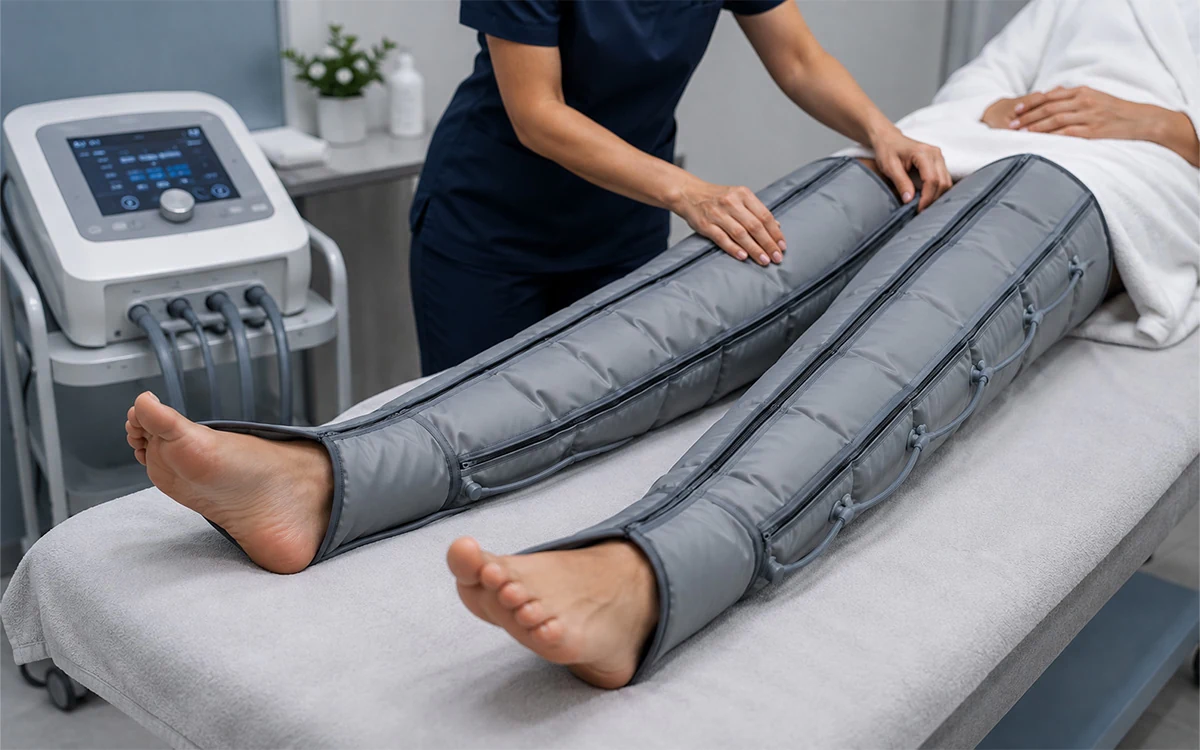
- • Compression (Varicose Vein Stocking) Treatment: It is the key to the treatment. It helps the blood return to the heart by applying pressure in a graduated way. Hang the stockings on in the morning before you get out of bed. Do not take them off until you go to bed at night.
- • Medication Treatment (Phlebotonics): Herbal-based medicines like horse chestnut seed extract or flavonoids can help reduce the swelling and pain by increasing the resistance of the blood vessel walls. Maximum effect is usually seen after 2-4 weeks of regular use.
Minimally Invasive (Non-Surgical) Treatments
These methods, which have become the gold standard of modern medicine, are generally performed under local anaesthesia in a clinical setting and allow the patient to return to daily life immediately.
Endovenous Thermal Ablation (Laser and Radiofrequency):
- • Laser (EVLA): A thin fibre is inserted into the vein, and the vein is burnt and closed from the inside using laser energy.
- • Radiofrequency (RFA/ClosureFast): Instead of a laser, it uses radio waves to heat the vessel wall and close it by shrinking.
VenaSeal (Medical Adhesive):
This method of closing the vein uses a special medical adhesive and does not require heat or multiple needle insertions (tumescent anaesthesia). Compression stockings are usually not required post-procedure.
Sclerotherapy:
Small varicose veins and capillaries are treated by injecting a liquid or foam that dries up the vein, causing it to shrink and disappear.
MOCA (Mechanochemical Ablation - ClariVein):
The rotating tip of the catheter mechanically damages the wall of the vessel; at the same time, a sclerosing agent is injected.
Surgical Methods
Preferred where interventional methods are not suitable or in very advanced stages.
- Vein Stripping (Ligation and Stripping): Surgically tying off and removing the damaged main vein (usually the Saphenous vein) from the body.
- Phlebectomy: removal of twisted varicose vein bundles through millimetre-sized incisions made in the skin with special instruments. It does not need stitches and has very good aesthetic results.
- CHIVA and Valvuloplasty: Rare techniques that aim to repair the valve function or preserve the vein by changing the direction of blood flow, instead of removing the vein.
What are the risks or complications of these treatments?
As with all medical procedures, vascular disease treatments are generally safe but carry some risks and complications. From the sources we can summarise the possible side effects of different methods of treatment as follows:
Endovenous Laser and Radiofrequency Ablation:
These methods use high heat to close the vein from inside and therefore have similar side effect profiles:
- • Pain and Bruising: Bruising (ecchymosis) along the vein is very common after the procedure (10%-92%); in addition, there may be mild to moderate pain and tightness.
- • Nerve Damage: There is a risk of temporary numbness or tingling (paraesthesia) in the nerves near the vessel due to heat. This rate is about 7%, but most cases are temporary.
- • Skin Burns and Colour Changes: Rarely, skin burns may occur, or brown spots (hyperpigmentation) that may be permanent may be seen on the vascular line.
- • Thrombosis Risks (PATE/EHIT) :There is a very rare but serious risk of a clot travelling from the treated vessel into the deep venous system (post-ablation thrombus extension), which may cause deep vein thrombosis (DVT) or pulmonary embolism.
Needle Treatment (Sclerotherapy)
- • Skin Spots and "Matting": Hyper-pigmentation (spots) or very fine, red capillary networks called "matting" can develop in the treated area.
- • Tissue Damage and Ulceration – The drug can leak accidentally outside the vessel, and this can lead to small skin wounds (necrosis).
- • Allergic Reactions: Rarely, mild or severe (anaphylaxis) allergic reactions to the used medication may occur.
- • Neurological symptoms: Temporary visual disturbances, migraine or headache have very rarely been reported, especially after foam sclerotherapy.
VenaSeal (Medical Adhesive)
- • Allergic reactions: Use of the "cyanoacrylate"-based adhesive may cause hives, shortness of breath or allergic shock.
Inflammation (Phlebitis): The body's reaction to the adhesive substance can cause painful hardness, redness and swelling (phlebitis) along the vein.
Vascular Injury: Rarely, complications like perforation or rupture of a vessel may occur.
Surgical Methods (Stripping and Ligation)
Minimal invasive techniques could be associated with fewer risks than classic surgery.
- • Bleeding and Haematoma: Bleeding or a large collection of blood (haematoma) under the skin at the sites of the incisions can occur during or after the operation.
- • Wound site problems: The incision sites can get infected or take longer to heal.
- • Damage to the lymphatic system. Damage to the lymphatic channels can cause lymph leakage (fistula), cysts or permanent swelling of the leg (lymphoedema).
- • Permanent Numbness: When removing large vessels, sensory nerves may be damaged, leading to permanent numbness in some areas of the ankle or leg.
Conservative Therapy (Compression Stockings)
- • Skin irritation: The stockings have a drying effect; thus, dryness, flaking and itching are common on the skin.
- • Pressure damage: Incorrect application of stockings (particularly without padding support) can cause pressure sores, nerve compression and circulatory disorders.
How To Recover
One of the main advantages of modern methods for the treatment of vascular diseases is that the recovery process is much faster and more comfortable for patients than with older methods. Today, most interventional procedures allow patients to go home the same day and return to their normal activities in a short time frame.
Here are the main points to take care of during the recovery process and the situations you can come across:
Early Mobilisation:
Early mobilisation after modern treatments (laser, radio frequency, VenaSeal, etc.) is important, i.e., to start walking immediately. After most procedures patients can walk out of the clinic. This promotes blood flow and lowers the chances of clots.
Back to Normal Life and Work
- • Rapid Convalescence: The period of time to return to normal physical activities following thermal ablation techniques such as laser (EVLA) and radiofrequency (RFA) is generally 0 to 3 days.
- • Symptom Improvement: Patients generally have a significant improvement in symptoms (pain, heaviness, etc.) within 1 to 2 weeks of the procedure.
- • Surgical Difference: Nonsurgical treatments recover faster and return to work much faster than traditional surgery.
Compression Therapy (Stockings for Varicose Veins)
One of the most important aspects of post-treatment care is application of compression:
- • Duration and Purpose: After the procedure, a bandage or varicose vein stockings are applied. This application is necessary to reduce the symptoms like pain, swelling, bruising and numbness.
- • Duration of Application: In uncomplicated cases, compression therapy should generally be applied for at least 1 week. However, depending upon the type of procedure done, the duration can be customised by the doctor.
- • Exceptions: In certain cases, such as with procedures like VenaSeal (medical adhesive), a simple bandage may be all that’s needed, and long-term use of compression stockings may not be required.
Integumentary and Home Care
- • Raise Your Legs: After the operation, raise your legs above the level of your heart for at least 30 minutes, three times a day, to help to reduce swelling and pain.
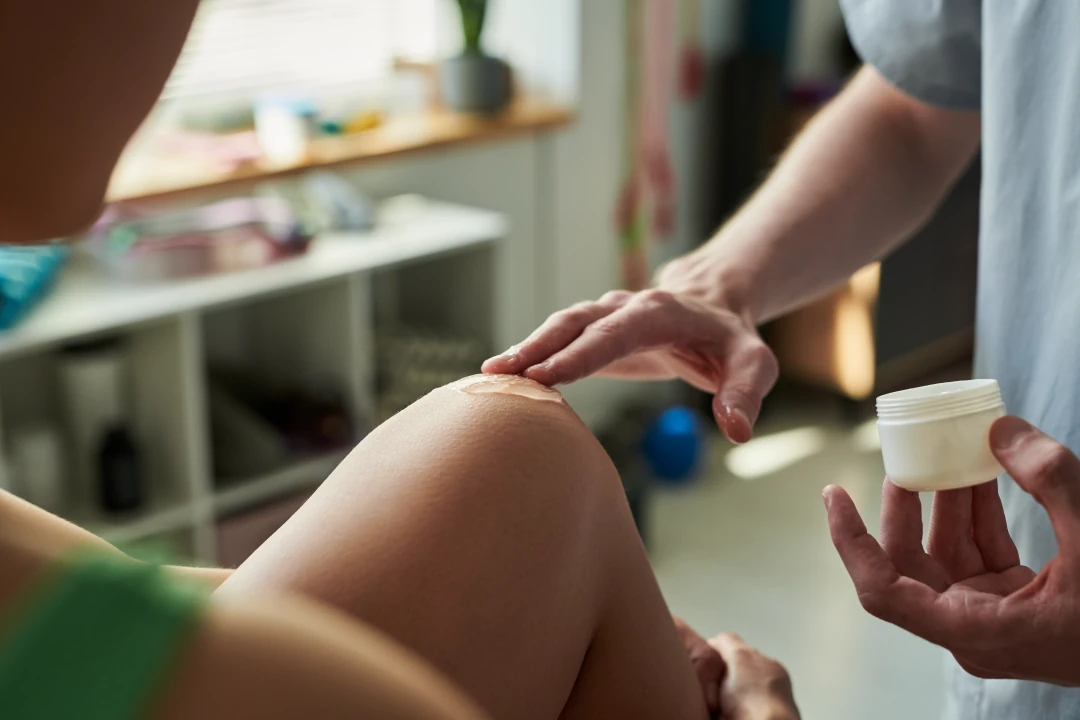
- • Skin Care: Compression stockings can dry the skin, so it is recommended to care for the skin regularly and use moisturiser.
- • Medication Use: Anticoagulant (VTE prophylaxis) medications, if needed, may be used to help prevent blood from clotting and used under doctor supervision.
Follow-up
Don't forget to follow up during the recovery process to verify the success of the treatment: Doppler sonography: Venous Doppler In the first 1-3 months after the procedure, ultrasound is the “gold standard” for detecting possible early recurrences (relapses) and monitoring complete closure of the vein.
Possible short-term side effects
There may be mild bruising (ecchymosis) and a feeling of tightness or numbness along the treated vein line during the recovery period, but these side effects are usually temporary. Mild pain, which may occur after thermal procedures, usually subsides and disappears during the first 7-10 days.
Remember: the process of healing may be different from patient to patient, depending on their general state of health and the stage of their disease (CEAP classification). The most important step for the permanence of your leg health is to follow the control schedule recommended by your physician.
Is treatment of vein disease safe in Turkey?
Treatment of venous diseases in Turkey is quite safe, especially when done by experts and with modern methods. Prof. Dr Cenk Eray Yıldız in Istanbul is one of the experts for these treatments. Prof. Dr Cenk Eray Yildiz is an expert in the field who combines his clinical experience with his academic knowledge, providing the most modern solutions for especially complicated venous diseases and aesthetic varicose vein problems.
Why Should I Select Cenk Eray Yıldız for Treatment of Vein Disease?
If you are considering putting your legs’ health in the hands of experts, here are the reasons why you should choose Prof. Dr Cenk Eray Yıldız:
Wide Professional Experience and Knowledge
Prof. Dr Yıldız has over 25 years of experience in the medical field of cardiovascular surgery. His main interests are varicose veins, vascular diseases and the ankle wounds (venous ulcers) that develop as a consequence. His experience includes a broad spectrum of treatment ranging from patients as young as 17 years old to patients as old as 90 years old.
High Technology and Minimal Invasive Procedures
In addition to the classical methods of surgery, it uses modern and invasive techniques according to international standards.
Innovation and Scientific Advancement
He has published articles and papers in domestic and foreign journals during his academic career. His pioneering work in the scientific field is indicated by the points below:
- • Patented Works: He is the inventor of a patent application on “genetic (miRNA) biomarkers for diagnosis and follow-up of chronic venous insufficiency”.
Awards: He has received numerous professional awards and in 2020 was a finalist for the "Best Surgical Sciences Doctor" award in Turkey.
- • International Experience: He has conducted extensive research work on stem cells and artificial heart support systems in America (Boston) and Germany.
Patient-Centred and Trust Approach
Prof. Dr Yıldız’s approach to patients is remarkable with the following details:
- • High Patient Satisfaction: Even in challenging cases, such as healing deep wounds that have persisted for 15 years within 5 weeks, successful results and satisfaction are reported.
- • Comprehensive Assistance: Patients receive detailed information, continuous 24/7 online expert support, and constant check-ups before and after the treatment, so they can experience a hassle-free recovery process.
F.A.Q:
What happens if venous insufficiency is left untreated?
As the disease progresses, significant swelling of the legs, permanent darkening of the skin, hardening of the skin (lipodermatosclerosis) and non-healing ulcers of the ankle may occur.
Does treatment for varicose veins hurt?
The modern techniques are done under local anaesthetic, so there is very little pain during the procedure. You might have some bruising or a tight feeling after the procedure.
Will a compression stocking get rid of varicose veins completely?
No, stockings do not get rid of existing varicose veins. But they help with symptoms, reduce swelling and slow the disease to develop.
Do varicose veins come back after treatment?
When laser or surgical treatment is correctly performed, the closed vein does not recur, but, because of your genetic predisposition, varicose veins can form in new vessels.
Is It Possible to Treat Varicose Veins During Pregnancy?
In pregnancy, advice is usually to wear compression stockings and make lifestyle changes. Drugs or interventions are usually delayed until after delivery.
Do hot showers and sunbathing aggravate varicose veins?
Yes, heat can cause the veins to dilate more and thus increase complaints of pain and swelling. Cold applications are usually soothing because they constrict the blood vessels.
Is the Doppler ultrasound test difficult?
No, it’s a painless imaging method that takes only 15-30 minutes without radiation.
I have varicose veins but no pain at all. Should I go for treatment?
If you have aesthetic concerns only, you can wait, but if your doctor finds reflux (leakage) at examination, they may recommend treatment to prevent possible future complications.